On July 1, EPA issued the latest proposal, in a 5 year cycle, for the sixth Unregulated Contaminant Monitoring Rule (UCMR 6), which is part of the Safe Drinking Water Act that requires EPA to mandate drinking water systems sample for contaminants. Congress established a multi-step, risk-based approach: contaminants first appear on EPA’s Contaminant Candidate List (CCL), then a subset moves to UCMR monitoring to generate nationwide data EPA then uses to decide whether formal regulation is warranted. UCMR data has historically shaped later rulemaking — UCMR data on PFAS informed EPA’s 2024 national drinking water standards for PFOA and PFOS. This proposal is open for comments and will be finalized after comments are taken and analyzed.
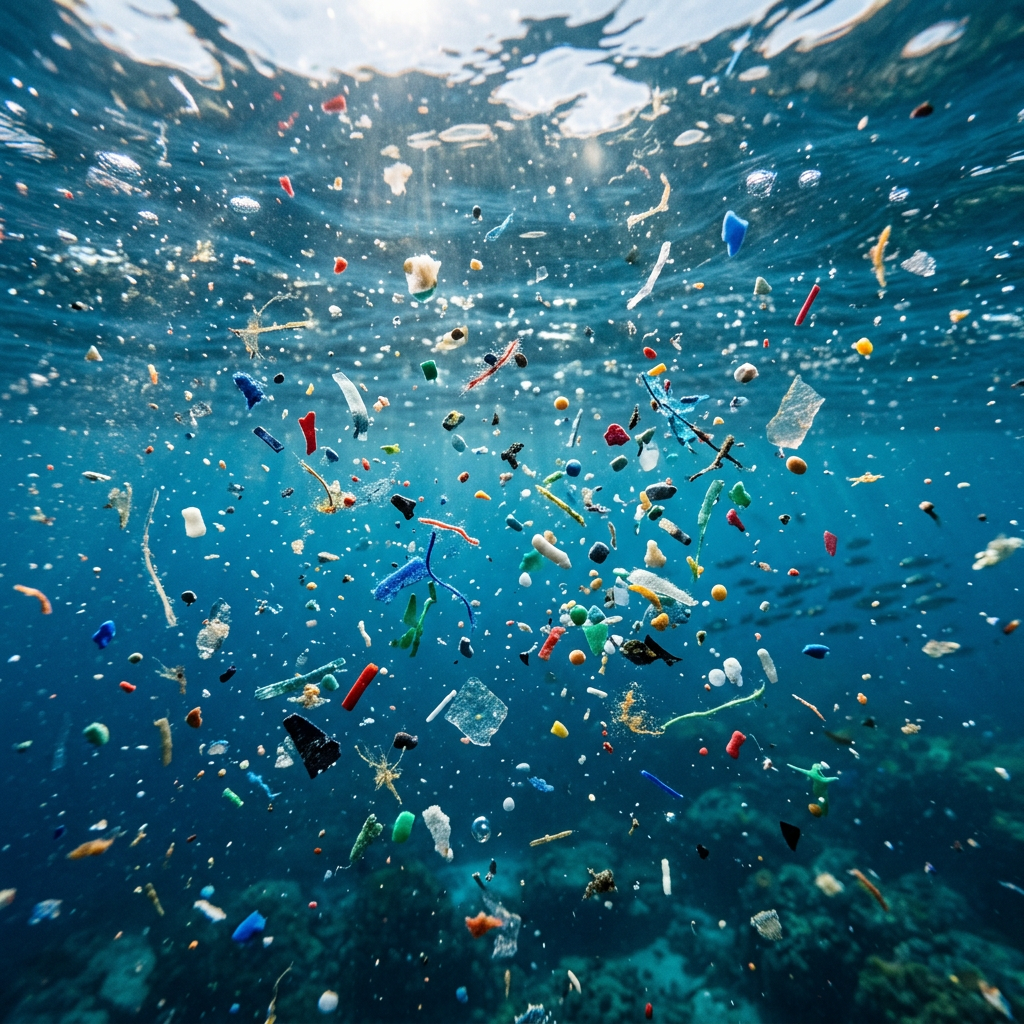
The highlight is that EPA left microplastics off the list (but additional PFAS compounds are there), although they were added to the CCL earlier this year. EPA declined a petition from the governors of seven states, along with supporting environmental groups, to add microplastics to UCMR 6, citing the lack of a validated test method. Specifically, EPA explained there is no validated EPA or consensus drinking-water analytical method with adequate quality control, accuracy, and precision for UCMR 6, and that developing one within the statutory deadline is not feasible. EPA noted that including microplastics would leave water systems unable to actually monitor for them, sacrificing the chance to collect occurrence data on other contaminants for which validated methods already exist.
Notably, this isn’t necessarily a total policy retreat: as mentioned above, EPA added microplastics to the draft CCL 6 in April 2026, and the agency has said it will finalize that list by November 17, 2026. EPA also stated it will keep developing test methods with the goal of adding microplastics to a future UCMR cycle once monitoring is scientifically feasible (however, these are five year cycles). States may also seek to require sampling, however, if a sufficient method is developed (California has a method in place). A useful review study of sampling methods for microplastics is here.
This is a clear signal for companies that there is a need to develop microplastic water test methods. Companies and entrepreneurs that are skilled in developing test methods, take note. For investors it is a clear demand signal. Consider commenting on the rule as well, particularly to EPA’s characterization of the state of test methods, if you believe you can add to the available information. Comments are open until August 31. Both the regulations and a portal to comment are linked here.
As always, I’m available for questions.
Leave a Reply